What to Do After a Car Accident in Colorado

Clear steps for the first minutes, 24 hours, and first week—so you protect your health, your rights, and your claim.

Quick Answer & Key Facts

What should you do after a car crash? Short answer: Move to safety, call 911 for injuries or hazards, and document the scene. Get medical care promptly—even if you feel “okay.” Exchange information, request a police/crash report, and notify your insurer, but don’t give a detailed recorded statement before you understand your rights

  • Fault (tort) state: Claims typically go through the at-fault driver’s insurer.
  • Comparative negligence: If you’re ≥50% at fault, recovery may be barred; less than 50% reduces recovery.
  • Deadlines: Many motor-vehicle injury claims have 3 years; many others 2 years. Some are shorter (e.g., certain government matters).
  • MedPay: Medical payments coverage may pay some bills regardless of fault if on your policy.
  • UM/UIM: Helps if the other driver is uninsured/underinsured or in hit-and-run.
  • Colorado Essentials

    Colorado uses a fault-based system. You may pursue compensation from the at-fault driver and their insurer for covered losses. If fault is shared, Colorado’s comparative negligence rules can reduce recovery by your percentage of fault; 50% or more fault may bar recovery. Many motor-vehicle injury claims must be filed within three years, and many other injury claims within two years. Some deadlines are shorter. Acting promptly protects your health and preserves evidence.


    What this means after a crash

    • If another driver likely caused the crash, you’ll usually open a claim with their insurer; your own coverages (like MedPay and UM/UIM) can still help.
    • Evidence matters: photos, video, witness names, medical records, and the crash report often decide fault.
    • Medical care now, not later: some injuries (TBI, neck/back) appear hours or days after a crash. Early evaluation creates a clear record.
    • Be careful with insurer statements: report the crash, but avoid detailed recorded statements until you understand your rights.
    • Watch the clock: deadlines and notice rules can be shorter in special situations (e.g., government vehicles).
    Two vehicles involved in a head-on car collision with wreckage on the front fenders
    A man rub his neck in pain after getting into a rear-end car accident

    Common Pitfalls (Avoid These)

    1. Saying “I’m fine” at the scene or to an adjuster before a medical check.
    2. Skipping or delaying medical care; gaps can hurt your claim and recovery.
    3. Posting about the crash on social media; insurers may monitor.
    4. Relying on the other insurer to pay medical bills up front; consider MedPay/health insurance.
    5. Missing deadlines or special notice requirements.
    6. Giving a recorded statement without understanding your rights.

    Step-by-Step: What to Do and When

    Step-by-step actions for the scene, the first 24 hours, 72 hours, and the first week—so you can protect your health, preserve evidence and crash-report details, handle insurers confidently, and stay on track with Colorado deadlines.


    Man and woman exchanging insurance information after a car accident, a red car in the background has a dent in the side

    At the scene (or as soon as it’s safe)

    1. Check safety & call 911 for any injury, road hazard, or dispute.
    2. Move vehicles out of traffic if drivable and safe; turn on hazards.
    3. Exchange information: names, phone, addresses, insurer/policy, license plates, driver’s licenses.
    4. Document everything: wide and close photos of damage, road, signs, skid marks, weather/light, injuries, and vehicle positions.
    5. Get witness info: names and phone numbers; ask bystanders to text photos/video.
    6. Stick to objective facts: share what you saw and did (who/what/where). Avoid guessing about fault or your medical condition—it’s normal not to know yet.

    Within 24 hours after the accident

    • Medical check: ER/urgent care/primary care—especially if experiencing headaches, dizziness, neck/back pain, numbness, or vision changes.
    • Request the crash report: start the process in Denver or Boulder.
    • Notify your insurer: report basics; avoid a detailed recorded statement for now.
    • Create a folder: policy PDFs, bills, pharmacy receipts, work notes, claim numbers, photos/video.
    A physician reviews medical documents with a patient, holding a blue pen over the paperwork as they discuss
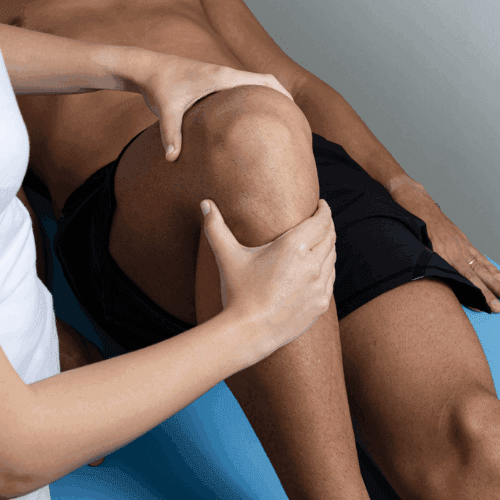
    A patient is lying down and receiving hands-on physical therapy treatment for knee pain

    First 72 hours after the accident

    • Follow medical advice and schedule follow-ups; begin a symptom journal (daily pain, limits, missed work).
    • Property damage: get estimates; photograph repairs; ask about rental coverage.
    • Coverage check: open your Declarations Page to confirm MedPay and UM/UIM limits; note any opt-outs.
    • Keep communications brief: stick to facts with adjusters; don’t sign broad authorizations without understanding them.

    First week after the accident

    • Secure the crash report (when available) and confirm details; request corrections if needed.
    • Collect wage documentation if you’ve missed work (pay stubs, employer note).
    • Consider guidance: a free consult can help with evidence, deadlines, and insurer requests—especially if injuries are ongoing or fault is disputed.


    Disclaimer :

    “Nothing in this communication is legal advice. While general principles remain true, you must speak with an attorney to obtain legal advice that is tailored to your specific circumstances.”  

    A woman holds a cell phone to her ear while having an animated conversation

    FAQs

    Call 911 for any injury, hazard, or dispute. For minor, non-injury incidents, some agencies allow online reporting. A report creates an official record—often helpful for insurance and fault questions.

    If it’s safe and your vehicle is drivable, move out of traffic to prevent a secondary crash. Turn on hazards and set out warning triangles if available.

    As soon as possible—especially for head, neck, or back symptoms. Some injuries appear later. Early evaluation documents your condition and supports safe recovery.

    Call 911, note the plate/description if possible, photograph the scene, and ask nearby businesses for camera footage. Your UM/UIM coverage may apply.

    You can report the crash, but you don’t have to provide a detailed recorded statement before you understand your rights. Keep comments brief and factual.

    Consider MedPay (if on your policy) and your health insurance. The at-fault insurer may reimburse covered losses later, but typically doesn’t pay bills as they come in.

    Many motor-vehicle injury claims must be filed within three years; many other injury claims are two years. Some deadlines are shorter. Act promptly.

    Depending on the case, recoverable damages may include medical expenses, lost wages, loss of earning capacity, and non-economic losses (like pain and suffering). Colorado law sets certain limits (caps) that change over time. We update our resources as laws change.

    It depends on treatment, liability disputes, insurance reviews, and court timelines. Many cases resolve in negotiation; some require filing or trial. We aim for the right timing for your medical recovery and the facts—not speed at the expense of outcomes.

    Not wearing a seat belt can affect how damages are evaluated, but it doesn’t automatically end a claim. Colorado’s comparative fault rules may apply. The facts and injuries matter; see our guides on comparative negligence and seat-belt issues.

    Get Your Free Case Evaluation!

    Tell us about your injury. Our trial-tested legal team will review your case and help you understand your options — with no upfront costs and no fees unless we win.

    Se habla español.

      Hear From the
      People We've Helped

      See how our experienced team has helped injury victims recover compensation and rebuild after serious accidents — with the personal attention they needed most.