
Neck and back injuries – warning signs, evaluation, imaging basics, common treatments, and how timelines and documentation affect your claim.
If you’re searching for help with a spine injury after a car accident in Colorado—or navigating a herniated disc in Denver—this guide outlines what to expect and how to stay organized.

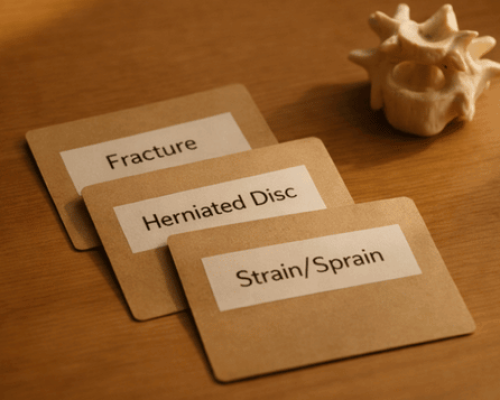
Diagnosis is clinical—based on history, exam, and, when indicated, imaging.
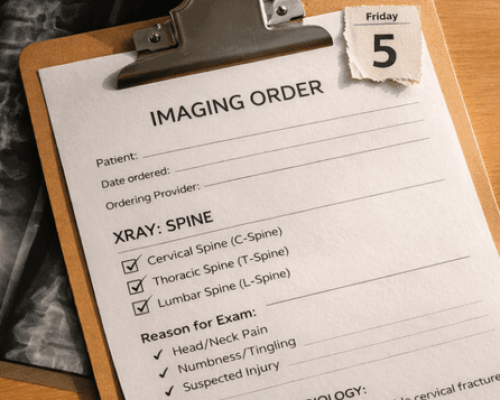
Imaging is ordered based on your exam, symptoms, and guidelines—many patients start with conservative care and only get MRI if symptoms persist or worsen.
Good communication with your provider helps set safe, realistic expectations.

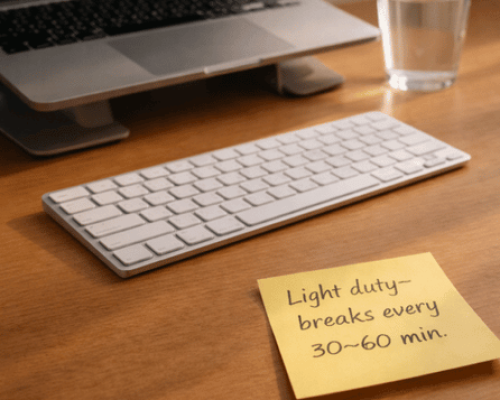

We don’t make promises about outcomes. We help you understand options and timing so you can make informed decisions.
Disclaimer :
“Nothing in this communication is legal advice. While general principles remain true, you must speak with an attorney to obtain legal advice that is tailored to your specific circumstances.”
Not always. Imaging decisions depend on your symptoms and exam. Many patients start with conservative care; MRI is considered if symptoms persist or neurologic signs appear.
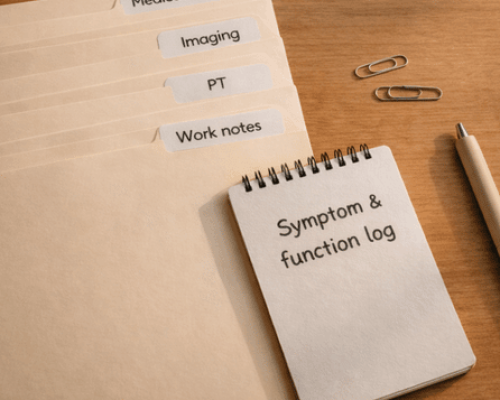
Yes. Adrenaline and soft-tissue inflammation can delay symptoms for hours or days. Get evaluated promptly when symptoms appear and keep a daily symptom and function log. Timely records link your condition to the crash.
Possibly. Colorado injury law recognizes aggravation of a preexisting condition. Clear before/after documentation (symptom logs, provider notes, imaging) helps show what changed after the crash. Be candid with providers about your history; accuracy strengthens credibility. Give us a call today to discuss the details of your injury.
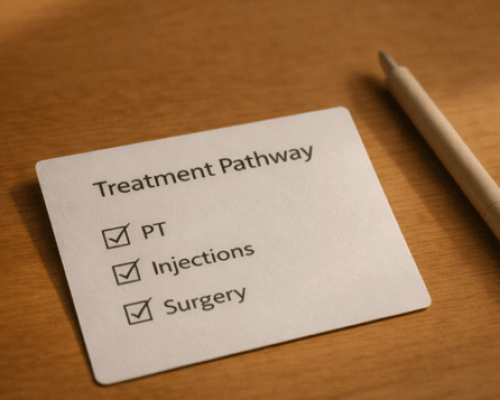
It varies. Many providers recommend a period of weeks to months of PT and medications before injections; surgery is generally considered for clear neurologic deficits, instability, or persistent, disabling symptoms.
Ask your provider for a work note with restrictions (e.g., lifting limits). Track missed days/hours and any reduced productivity.
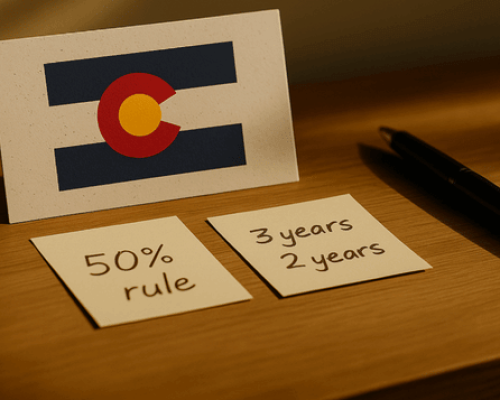
Often 3 years for motor-vehicle injury claims and 2 years for many other personal-injury claims. Some claims (e.g., certain government entities) have shorter limits. Act promptly.
Colorado often requires written notice within 182 days. This is a short window—act early.
Depending on the case, recoverable damages may include medical expenses, lost wages, loss of earning capacity, and non-economic losses (like pain and suffering). Colorado law sets certain limits (caps) that change over time. We update our resources as laws change.
It depends on treatment, liability disputes, insurance reviews, and court timelines. Many cases resolve in negotiation; some require filing or trial. We aim for the right timing for your medical recovery and the facts—not speed at the expense of outcomes.
Two minutes a day creates strong, objective documentation.
Report the basics (date, location, vehicles), but you don’t have to give a detailed recorded statement before you understand your rights.
Keep comments factual; review any broad medical releases before signing. Written records from your providers tell the medical story best. Give us a call – we'll walk you through every step of the process.
Tell us about your injury. Our trial-tested legal team will review your case and help you understand your options — with no upfront costs and no fees unless we win.
Se habla español.
See how our experienced team has helped injury victims recover compensation and rebuild after serious accidents — with the personal attention they needed most.