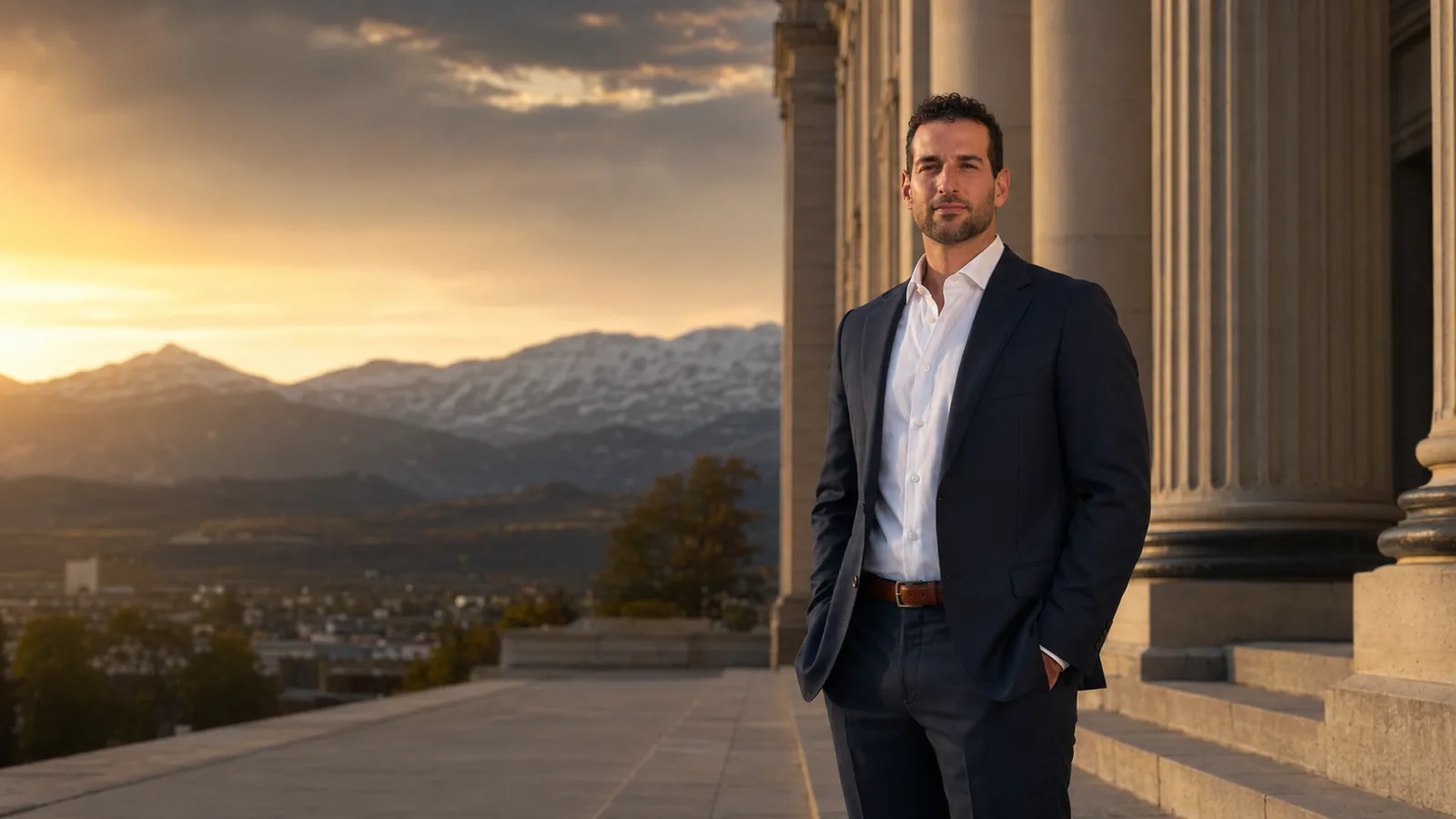
Julian Bendinelli, trial attorney

Practice Area

Injured in a Ski or Chairlift Incident? Know Your Rights

Colorado’s mountains attract millions of skiers and snowboarders every year. While skiing and snowboarding involve unavoidable risks, ski resorts and their employees also have legal responsibilities to protect guests from certain preventable dangers.

No upfront costs · No fees unless we win · Se habla español

Free Case Review

Tell us what happened.

A trial attorney will review your case, not a call center.


When a serious injury occurs, ski resorts and their insurance companies often argue that the injured person assumed the risk or signed away the right to sue. But Colorado law does not give ski resorts blanket immunity from liability, and recent Colorado Supreme Court decisions have clarified important limitations on liability waivers.

At Julian Bendinelli Law Firm, we represent individuals and families who have suffered serious injuries or lost loved ones in ski and snowboard accidents, including chairlift accidents, collisions, and incidents involving resort employees or equipment. We understand the complex laws governing ski resort liability and investigate whether negligence, violations of safety regulations, or other wrongful conduct contributed to the injury.

What falls under this practice area.

Skier conduct, resort conduct, and equipment failure are three different claims.

Ski Injury Claims
01

Chairlift accidents and lift operator negligence

02

Ski and snowboard collisions

03

Unmarked hazards and resort conditions

04

Snowmobile, snowcat, and grooming equipment

05

Terrain park and jump accidents

06

Rental equipment and ski school negligence

Colorado Law

Does Colorado’s Ski Safety Act Protect Ski Resorts from Lawsuits?

Colorado’s Ski Safety Act recognizes that skiing and snowboarding involve inherent dangers that cannot be completely eliminated, even when reasonable care is exercised. These include changing snow conditions, variations in terrain, trees, rocks, and certain other natural hazards.

Under the Act, skiers generally assume the inherent dangers and risks of skiing, and ski resorts are not liable for injuries resulting from those inherent risks.

But assuming the inherent risks of skiing does not mean accepting every form of negligence or unsafe conduct by a ski resort.

Colorado law also imposes specific safety responsibilities on ski area operators. Depending on the circumstances, these may include:

When a ski resort violates a statutory or regulatory duty and that violation causes an injury, the injured person may have a viable legal claim even if the resort argues that skiing is inherently dangerous.

Determining whether an accident involved an inherent risk, ordinary negligence, gross negligence, or a violation of a specific safety requirement is often the central issue in these cases.

Colorado Supreme Court

Recent Colorado Supreme Court Decisions Protect Important Rights of Injured Skiers

Miller v. Crested Butte: A Liability Waiver Does Not Eliminate Certain Statutory Safety Duties

In a significant 2024 decision, Miller v. Crested Butte, LLC, the Colorado Supreme Court addressed a catastrophic chairlift accident involving a young girl who fell approximately 30 feet after she was unable to get seated on a chairlift. The lawsuit alleged that lift personnel failed to slow or stop the lift despite warnings that the child was in danger.

The ski resort argued that liability waivers signed when the family purchased its ski passes barred the claims.

The Colorado Supreme Court disagreed in part, holding that ski resorts cannot use pre-injury liability waivers to avoid responsibility for violations of certain statutory and regulatory duties imposed by Colorado’s Ski Safety Act and Passenger Tramway Safety Act.

The Court allowed the negligence per se claim based on those alleged violations to proceed, although it concluded that the waivers barred a separate common-law negligence claim.

This decision is particularly important for victims of chairlift accidents because it confirms that ski resorts cannot simply require guests to sign away the safety obligations imposed by these laws.

Litterer v. Vail Summit Resorts: Why the Timing and Language of a Waiver Matter

In September 2026, the Colorado Supreme Court issued another important decision addressing ski resort liability waivers.

In Litterer v. Vail Summit Resorts, Inc., a snowboarder was injured in a collision with a resort employee operating a snowmobile. After filing a lawsuit, he purchased another ski pass and accepted an agreement containing language releasing claims arising from past incidents.

The Court held that the later agreement was an enforceable release of existing claims, distinguishing it from the pre-injury waiver addressed in Miller.

The decision illustrates why injured skiers and snowboarders should be cautious about accepting new agreements, purchasing season passes, or signing releases after an accident. Depending on the language, a later agreement may affect legal claims arising from an earlier injury.

The bottom line: A season pass waiver does not automatically defeat every ski injury claim. But the specific language, timing, and legal basis for the claim can make a critical difference.

Cases We Handle

What Types of Ski and Chairlift Injury Cases Do We Handle?

Chairlift Accidents and Lift Operator Negligence

Chairlift accidents can cause devastating injuries, particularly when lift operators fail to recognize an emergency or respond appropriately.

We investigate accidents involving improper loading or unloading, failure to slow or stop a lift, inadequate monitoring, operator inattention, equipment malfunctions, and violations of applicable passenger tramway safety requirements.

These cases may involve the Ski Safety Act, Passenger Tramway Safety Act, Colorado Passenger Tramway Safety Board regulations, and applicable industry standards, including ANSI B77.1.

Ski and Snowboard Collisions

Collisions between skiers and snowboarders can cause traumatic brain injuries, spinal cord injuries, fractures, and other serious harm.

Colorado law imposes responsibilities on skiers and snowboarders, including duties related to maintaining control, avoiding people and objects, and yielding when required. When another skier violates those responsibilities and causes an injury, the injured person may have a claim against that skier.

Depending on the circumstances, compensation may be available through the responsible person’s homeowners, renters, or other applicable liability insurance.

Unmarked Hazards and Dangerous Resort Conditions

Not every hazard on a ski slope creates liability. Many natural terrain features and changing snow conditions are inherent risks of skiing.

However, claims may arise when an injury involves a hazard subject to specific statutory marking requirements, an improperly marked closure, or another dangerous condition for which the resort has a legal responsibility.

We investigate the precise location and circumstances of the accident, applicable safety requirements, and whether the resort complied with its obligations.

Snowmobile, Snowcat, and Grooming Equipment Accidents

Ski resorts use snowmobiles, snowcats, and other equipment to maintain and operate their mountains. Collisions involving this equipment can cause severe injuries.

These cases may involve negligent equipment operation, inadequate warnings, failure to follow applicable safety requirements, or other dangerous conduct. The legal analysis depends on the equipment involved, the circumstances of the collision, and any applicable statutory defenses or waivers.

Terrain Park and Jump Accidents

Terrain parks present unique risks involving jumps, rails, boxes, and other features. Colorado law expressly recognizes many terrain park features and their associated dangers as inherent risks of skiing.

However, the particular circumstances may warrant investigation into whether a resort violated an applicable legal duty or engaged in conduct that goes beyond ordinary negligence.

We carefully evaluate these cases to determine whether a viable claim exists.

Ski Rental Equipment and Ski School Negligence

Skiing injuries may also involve defective or improperly maintained rental equipment, improperly adjusted bindings, or negligent conduct during ski instruction.

Depending on the circumstances, claims may involve equipment manufacturers, rental companies, instructors, or other responsible parties. These cases require a careful evaluation of the applicable safety standards, contractual agreements, and cause of the injury.

Catastrophic Ski Injuries and Wrongful Death

Skiing and chairlift accidents can result in permanent disabilities or the loss of a loved one. We represent individuals and families in cases involving traumatic brain injuries, spinal cord injuries, paralysis, orthopedic injuries, and wrongful death.

Our attorneys work with qualified experts to investigate liability, evaluate future medical and rehabilitation needs, and pursue compensation for the full consequences of an injury.
How We Handle Ski and Chairlift Injury Claims

01

Free Case Evaluation

We begin by listening to what happened, reviewing the circumstances of the accident, and evaluating whether Colorado law permits a claim. We explain the potential legal obstacles, including inherent-risk defenses and liability waivers, so you understand your options.

02

Preserving and Investigating Evidence

Evidence from a ski accident can disappear quickly. We work to preserve and obtain relevant materials, including ski patrol reports, incident reports, photographs, surveillance footage, witness statements, lift maintenance records, operator training materials, inspection records, and other evidence.

When necessary, we consult with experts in ski area operations, passenger tramway safety, accident reconstruction, and other relevant fields.

03

Identifying Violations and Establishing Liability

We examine the circumstances of the accident and determine which legal duties apply. This may include evaluating compliance with the Ski Safety Act, Passenger Tramway Safety Act, applicable safety regulations, and industry standards.

We also carefully review any liability waivers to determine whether they are enforceable and whether they apply to the particular claims.

04

Documenting the Full Extent of Your Injuries

Serious ski injuries can affect nearly every aspect of a person’s life. We work to document medical expenses, lost income, diminished earning capacity, future medical needs, physical limitations, pain and suffering, and other recoverable damages.

Our goal is to understand not only how the accident happened, but also how it will affect your future.

05

Negotiating a Fair Resolution

When the evidence supports liability, we pursue compensation from the responsible parties and their insurers. We prepare our cases thoroughly and evaluate settlement offers based on the strength of the evidence and the full extent of our clients’ damages.

06

Taking the Case to Trial When Necessary

Not every case can be resolved through settlement. Ski resorts and their insurers may aggressively defend claims involving serious injuries, particularly when statutory interpretation or liability waivers are disputed.

Our attorneys have substantial trial experience and are prepared to present complex cases to a jury when a fair resolution cannot be reached.

Common Questions

Frequently Asked Questions About Colorado Ski Accidents

Doesn’t the Ski Safety Act mean I assumed the risk of getting hurt?

Not necessarily. Colorado law generally prevents recovery against ski resorts for injuries caused by the inherent dangers and risks of skiing. But it does not eliminate every potential claim against a ski resort.

If your injury resulted from a violation of an applicable statutory or regulatory duty, gross negligence, or other actionable conduct, you may still have a claim. The specific facts matter.

I signed a liability waiver when I bought my season pass. Can I still sue?

Possibly. Colorado courts generally recognize properly drafted liability waivers for ordinary negligence, but those waivers have important limitations.

In Miller v. Crested Butte, the Colorado Supreme Court held that pre-injury waivers cannot eliminate liability for violations of certain statutory and regulatory duties governing ski area operations.

Colorado law also generally prohibits prospective waivers of gross negligence and willful and wanton conduct.

However, the language and timing of the agreement matter. In Litterer v. Vail Summit Resorts, the Supreme Court enforced a later agreement that released existing claims arising from a previous accident.

An attorney should review the actual agreement before determining whether it affects your claim.

I was injured getting on or off a chairlift. Do I have a case?

You may. Chairlift accidents involve legal duties that differ from those governing many on-slope skiing injuries.

If a lift operator failed to slow or stop a lift, failed to respond to an emergency, or violated applicable operational or safety requirements, you may have grounds for a claim.

Colorado’s Passenger Tramway Safety Act and related regulations can be particularly important in these cases.

Can a ski resort be held responsible for gross negligence?

Yes, under appropriate circumstances. Colorado law generally does not permit businesses to prospectively release themselves from liability for gross negligence or willful and wanton conduct.

Gross negligence involves conduct substantially more serious than ordinary carelessness. Whether the evidence supports such a claim depends on the circumstances and the applicable law.

My child was injured skiing. Does the waiver I signed on their behalf prevent a lawsuit?

Not necessarily. Colorado law generally allows parents to waive certain prospective ordinary negligence claims on behalf of their children.

However, the Colorado Supreme Court’s decision in Miller confirms that parental waivers cannot eliminate liability for violations of the statutory and regulatory duties at issue in that case.

If your child suffered a serious injury, it is important to have the waiver and circumstances reviewed before assuming there is no legal remedy.

Another skier or snowboarder collided with me. Who is responsible?

The skier or snowboarder who caused the collision may be legally responsible.

Colorado law requires skiers to maintain control and follow applicable right-of-way rules. For example, an uphill skier generally has a duty to avoid people downhill.

We investigate witness statements, ski patrol reports, photographs, and other evidence to determine fault and identify available insurance coverage.

How long do I have to file a ski injury lawsuit in Colorado?

Colorado generally imposes a two-year statute of limitations on claims against ski area operators under the Ski Safety Act. However, different deadlines may apply depending on the type of claim, the responsible party, and the circumstances, including whether the injured person is a minor.

It is important to consult an attorney promptly. Even when the filing deadline is months or years away, critical evidence may be lost shortly after an accident.

What evidence should I preserve after a ski or chairlift accident?

If possible, preserve photographs or videos of the accident scene, your equipment, lift or trail conditions, and any visible hazards. Keep your ski patrol report, lift ticket or season pass information, and communications with the resort.

Obtain contact information for witnesses and avoid altering or discarding equipment that may have contributed to the accident.

An attorney can also take steps to request preservation of relevant resort records, surveillance footage, and other evidence.

Should I speak with the ski resort’s risk management department?

You should consult an attorney before providing a recorded statement, signing a release, or discussing settlement with the resort’s risk management team or insurance representatives.

The resort may be gathering information to evaluate or defend against a potential claim. While you should provide accurate information needed for immediate medical assistance and incident reporting, you are not required to negotiate your legal claim without representation.

What does it cost to hire Julian Bendinelli Law Firm?

We offer free consultations and handle ski accident injury cases on a contingency fee basis. That means you do not pay attorney fees unless we obtain a recovery on your behalf.

We will explain our fee agreement, litigation expenses, and how the process works before you decide whether to retain our firm.

Read all frequently asked questions →

Free Case Evaluation

Injured on a Colorado Ski Mountain? Contact Our Attorneys.

If you or a loved one suffered a serious injury in a ski accident, snowboard collision, or chairlift incident, you deserve to understand your legal rights.

A ski resort’s liability waiver does not necessarily mean you have no case.

At Julian Bendinelli Law Firm, we investigate complex ski injury and chairlift accident claims, evaluate the applicable Colorado safety laws, and fight to hold responsible parties accountable.

Contact us for a free, confidential case evaluation. Tell us which mountain the accident occurred on, what happened, and what injuries you suffered. If you have photographs, witness information, or a ski patrol report, we can review those materials as part of our initial evaluation.

Free Consultation | No Attorney Fees Unless We Recover Compensation

303-720-6490 · Call or Text 24/7